Sunday, September 27, 2020

اكتشاف اقدم انسان في شبه الجزيرة 120 الف سنة


Of the hundreds of fossil footprints found at the Alathar ancient lake deposit in Saudi Arabia, scientists identified seven that were likely made by members of our own species, Homo sapiens.

PHOTOGRAPH BY KLINT JANULIS


SCIENCE

Oldest footprints in Saudi Arabia reveal intriguing step in early human migration

Animal and human tracks show the lush landscape that may have greeted Homo sapiens as they ventured into new lands more than 100,000 years ago.

5 MINUTE READ


BY MAYA WEI-HAAS


PUBLISHED SEPTEMBER 17, 2020

Small oval depressions—376 in all—are scattered across a patch of dry ground nestled between the dunes of northern Saudi Arabia. At a glance, these pockmarks don't seem particularly impressive, so much so that a team of scientists surveying the region almost passed them by in 2017. But upon further examination, the team realized that the depressions were left by an array of ancient animals, and among them were traces of our own species, Homo sapiens.

The discovery of human footprints, if confirmed, would mark the oldest trace of our species yet found in the Arabian Peninsula, which sits at the gateway to early humans’ spread around the world. As described in a new study published in Science Advances, the frozen footfalls preserve a striking snapshot of time some 115,000 years ago, as animals and humans congregated near a shallow lake, perhaps with a shared purpose of slaking thirst and sating hunger.


The fossil footprints were found at the Alathar ancient lake deposit in Saudi Arabia.

PHOTOGRAPH BY PALAEODESERTS PROJECT

While the prints aren’t easy to see, the largest of the lot caught one team member’s eye. Stomped into an ancient lakeshore, the track appeared to be from an elephant larger than any that tromp across the landscape today.

“As soon as we saw one, we could see them all,” says Mathew Stewart, a zooarchaeologist at the Max Planck Institute for Chemical Ecology and first author of the study.

A closer look revealed the elongated prongs of camels, and perhaps faint traces from giant buffalo and ancient horse relatives. As the team was packing up for the day, they spotted what became the most exciting find: Seven imprints likely left by members of our own species.

While the prints aren’t the oldest evidence of humans outside of Africa, the vignette inscribed in mud provides a peek into the once lush landscape and creatures that may have greeted humans during their early forays.


“This is like a moment in time, if you will,” says Michael Petraglia, a human evolution researcher at the Max Planck Institute who led the team. “The imagination really runs wild: What did these people look like? What were they doing? ... Once all these lakes dried up, what happened to them? That really gets our curiosity going.”

The continental crux

The research in Saudi Arabia is part of a more than decade-long effort led by Petraglia to unearth hominin history in the Arabian Peninsula and better understand our species’ first steps out of Africa.

Most non-African people today can trace their genetic roots to a wave of H. sapiens that ventured from the continent roughly 60,000 years ago. But they weren’t the first to leave. Early H. sapiens were likely trickling out of Africa tens of thousands of years before. An upper jaw found in Israel suggests humans arrived in the region by 180,000 years ago. And a controversial but stunning find of a human skull in Greece dating to some 210,000 years oldhints of even earlier waves.

As the usual story goes, these ancient explorers likely crossed out of northeastern Africa over the present-day Sinai Peninsula, spreading into the Levant—the region just north of Arabia that includes Israel, Syria, Lebanon, Jordan, and the Palestinian territories—before migrating into Europe and Asia. But some suggest early humans instead crossed near the Horn of Africa to the southern Arabian Peninsula, spreading around the Indian Ocean rim.

Elephant (left) and camel (right) trackways were among the fossil footprints found around the ancient lake. 

PHOTOGRAPH BY STEWART ET AL., 2020

At this crucial continental juncture sits Arabia—a vast stretch of land that long went unstudied. “If we were thinking about stepping stones out of Africa, we needed to know more about Arabia,” Petraglia says.

Petraglia and his team have started to fill in that gap, unearthing clues to a time when the now arid peninsula was vastly different. Lush grasslands blanketed a landscape crisscrossed by rivers and dotted by some 10,000 lakes, making it an alluring place for hominin explorers. Stone tools have been found scattered around many ancient lakeshores, yet their makers remain unknown.

“That has been keeping us going for years,” Petraglia says.

The allure of lush landscape

The tracks were identified during a survey of ancient lake Alathar, and scientists analyzed the system in a battery of tests. Study of ancient algae suggests it was once filled with fresh water—a vital resource for humans and animals alike. Yet the waters were likely in the process of drying up, hinting that the track makers visited when the season was hot, perhaps chasing the dwindling resource around the region.

Four of the seven hominin tracks cluster in a southerly route near the lake’s edge, all likely left by two or three individuals. Both animals and humans seemed to move without purposeful direction, congregating around the lake’s shores, Petraglia notes. All the footprints were likely left within hours or days, based on modern experiments.

Fossil tracks provide a window into the past in a way other ancient remnants cannot. “To a geologist or a paleoanthropologist, footprints are traces of past behavior,” says Cynthia Liutkus-Pierce, an Appalachian State University geologist who recently led work on a trove of tracks in Tanzania as a National Geographic grantee. “And that’s something you often don’t get with bones and stones.”

Comparison of the hominin footprints’ shape and size to ancient tracks and modern footprints helped untangle the explorers’ identities. Stewart, who conducted the footprint analysis, also used the measurements to estimate the track makers’ height and build. Overall, it seems the prints were left by tall, lanky hominins like H. sapiens rather than short, stocky Neanderthals, though the tracks are not preserved well enough to say with certainty, according to Stewart.

However, identification of the tracks as H. sapiens fits with the current picture of where different kinds of humans were living some 115,000 years ago, when Neanderthals, Denisovans, and even perhaps Homo Erectus all inhabited various corners of the world. In this swath of the Middle East, only H. sapiens remains have been found from around that time. The footprints lie near another lake where the team recently uncovered a finger bone dating to some 90,000 years old that may also be H. sapiens.


Play Video

FOSSILS 101Fossils are echoes of an ancient past. Find out about the two major categories of fossils, how fossilization occurs, and how fossils can help paint a picture of the planet's history.

While ascribing the tracks to H. sapiens is a reasonable conclusion, the fossil record is rife with gaps, and fresh evidence could still flip the muddy script of the ancient hominins in this region, says Rutgers’ Craig Feibel, who specializes in ancient environmental reconstructions. "It’s not impossible to have those sort of wild cards suddenly appear and change our thinking,” says Feibel, who was not part of the study team.

If the identification of H. sapiens holds, the tracks and fossil finger point to groups of early humans who didn’t just bolt through the Levant, but ventured into the Arabian interior. “It’s probably very much habitat dependent,” Feibel says. Rather than “packing up and marching north,” these early humans were likely seeking ecosystems that could support expanding populations.

The Arabian story remains incomplete, but the latest discovery is an exciting clue to how much more may be hiding in plain sight, says Kevin Hatala, an evolutionary biologist at Chatham University who specializes in ancient hominin footprints and was not involved in the new study


Monday, July 6, 2020

وفاة بطل الكويت الأسير شاكر بوحمد


صباح الأحد تلقينا خبر حزين بوفاة العم بومحمد علي 
شاكر عبدالله بوحمد 
سائلين الباري تعالى له المغفرة والرحمة 


وقد التقيت في العم بومحمد علي لأول مرة في ٢٠١٣
في ديترويت حين بلغني احد الأخوة عن وصول طالبة كويتية مع والدها للدراسة في 
مدينة ديترويت ولاية مشيغن في الولايات المتحدة الأمريكية
التقيت بالعم بومحمد علي وكنا على اتصال دائم لفتح الحسابات البنكية والسكن الجامعي
وتوفير المواصلات حتى كنا نحرص الالتقاء يوميا في منزل اخونا بو احمد باسم المطر في مدينة ديربورن، وكان 
هذا المنزل بمثابة ديوانية للطلبة الخليجيين والذي اسسناه منذ وصولنا الى امريكا في نفس المنطقة مع اخواني 
من المنطقة الشرقية والقطيف وتاروت وسيهات والبحرين والكويت (منزل حسن الناصر بوعبدالله) وبعد مغادرة ابو عبدالله اصبحت التجمعات مشتتة حتى وصول الاخ بو أحمد الى ديربورن في ٢٠١٢. 

في فبراير  ٢٠١٤ واثناء كتابتي لبحث الدكتوراه في مدينة ان اربر في حرم جامعة مشيغن 
خاطر في ذهني اقامة احتفالية بسيطة بمناسبة ذكرى تحرير الكويت والعيد الوطني ، بعد العشاء فاجئني العم بومحمد علي بقصته اثناء فترة الغزو الغاشم ١٩٩٠ ، ومن دهشة المعلومات والاحداث في قصة العم بومحمد علي
طلبت من ام علي بعمل بسكويت او كعكة على علم الكويت واقدمها لهذا البطل

وبعد التقاط الصورة قمت بكتابة هذا البوست في حسابي بالانستغرام في ١ مارس ٢٠١٤


البوست في الانستغرام والفيس بوك
 ١ مارس ٢٠١٤


بسكويت على علم الكويت تكريما لأسير الغزو العم شاكر بوحمد .. حاليا من مدينة ديترويت مشيغن
تم أسره س ٨ صباحا في اول يوم الغزو ٢ اغسطس وتم حجزه في احد منازل الشامية
وهناك تم دعوة الأسرى لتشكيل الحكومة المؤقتة ولكن رفض - والبعض قبل بسبب الفرض عليهم
نفس اليوم س ١٢ظ تم إرساله مع الضباط الأسرى الى معسكر حمزة بالعراق ثم الرشيد في بغداد لمدة شهر ونص ومن ثم في الموصل
وبعدها تم ترحيله الى معسكر بعقوبه حتى بعد التحرير الى تاريخ ٢٧ مارس ١٩٩١ 
لم يتعرض احد منهم لأي وسيلة تعذيب وكانت معاملتهم عادية وتوفير لهم الراديو لسماع الأخبار وتحت إشراف الصليب الأحمر
واشتهر العم شاكر بالطبخ لذلك كانت مهتمه تجهيز الطعام ل ٦٧٠ أسير من الضباط الكويتيين خلال ال ٨ اشهر
من الأسرى المرافقين العم محمود الطباخ - شاهين الغانم - عبداللطيف الرزاقه - جاسم ملك الكندري
يستاهل اكبر تكريم وأغلى ما نملك يس المهم لا ننساهم .. وهذه مهمة الجميع من جيلي والجيل الحالي ان نهتم لمقابلة وتوثيق هذه الشخصيات

Saturday, May 9, 2020

زاهي حواس في الكويت


Zahi Hawass Visit to Kuwait
Egyptian archaeologist, egyptologist and
 former Minister of State for Antiquities Affairs
March 7-9th, 2017


زيارة عالم الآثار المصري
 الدكتور زاهي حواس
الى دولة الكويت وزيارة دار الآثار الإسلامية 
متحف ومختبر الآثار والأنثروبولوجيا بجامعة الكويت
متحف الكويت الوطني
7 - 9 مارس 2017


شمل البرنامج اسقبال الدكتور حواس (عالم آثار مصري، ووزير دولة سابق لشؤون الآثار، كما عمل في المواقع الأثرية في دلتا النيل والصحراء الغربية ووادي النيل) من مطار الكويت في تمام الساعة السابعة مساء من يوم 7 مارس 2017.

تاريخ 7  مارس تناول العشاء في مطعم لانودغ مع البروفسور أحمد سعيد من قسم التاريخ بجامعة الكويت، والأخ بوحمد أسامة البلهان من دار الآثار الإسلامية، والسيدة حرم الدكتور حواس. 
--
تاريخ 8 مارس محاضرة في دار الآثار الاسلامية في تمام الساعة 7م حول اهم اكتشافات حواس وحقيقة الاهرام والمومياء
--
تاريخ 9 مارس صباحا زيارة متحف ومختبر الاثار والانثروبولوجيا في جامعة الكويت، ثم زيارة متحف الكويت الوطني، ثم عصرا جلسه في دار الاثار في المركز الامريكاني.


زيارته لجامعة الكويت
جريدة افاق الجامعية 


لقاءه على تلفزيون الكويت


مقال 1 زاهي حواس: دار الآثار الإسلامية

مقالة 2 زاهي حواس:  الكويت تاريخ وآثار

مقالة 3 زاهي حواس: الشيخة حصة الصباح

مقال 4 زاهي حواس: الديمقراطية في الكويت


دار الآثار الإسلامية بالكويت

زاهي حواس   الإثنين 12-06-2017 21:58

من أهم المتاحف التى شاهدتها بالكويت دار الآثار الإسلامية.. وقد ذهبت لزيارة هذا المتحف بصحبة الشيخة حصة الصباح، التى إليها يرجع الفضل فى شراء المجموعات الأثرية النادرة من القطع الأثرية التى تعود إلى العديد من الحضارات الشرقية مثل الأشورية والبابلية والفينيقية، إضافة إلى مجموعة متميزة من الآثار الإسلامية، وقد استطاعت الشيخة حصة أن تجمع هذه الآثار بعد دراسة وتخطيط جيد وأن تحافظ عليها، وفى نفس الوقت جعلت الدولة تشرف على هذه الآثار لكى يقوم المتحف بدور ثقافى تعليمى للشعب الكويتى وأطفال المدارس، وتخطط الشيخة حصة وفريق عمل المتحف أن تقوم دار الآثار الإسلامية بنشر الوعى الثقافى الإسلامى ليس فى الكويت فقط، بل فى كل مكان، ولذلك اختيرت الكويت عاصمة للثقافة الإسلامية عام 2016 م، وكان هذا المتحف أول مكان أزوره فى الكويت، وتحدث معى عنه فى الطريق الأستاذ أسامة البلهان، مدير العلاقات العامة، وهو شخصية مثقفة، يعطى المعلومات ببساطة ويجعلك تعشق الأماكن التى تزورها، وقد رافقنى لزيارة دار الآثار الإسلامية وهناك قابلت الشيخة حصة الصباح التى جعلت هذه الدار منارة ثقافية جميلة، خاصة فى طريقة عرض القطع الأثرية.. وقد عرف أسامة البلهان عن اهتمامى بالحصان العربى، وزرت معه المكان الذى يوجد فيه الحصان المصرى، وشاهدت منظومة جميلة لرعاية وإعاشة الحصان والاهتمام به.
وقد عرفت من أسامة أن الشيخ ناصر صباح الأحمد الصباح مع قرينته الشيخة حصة يقومان بدور عظيم فى إدارة ورعاية مجموعة التحف الفنية الرائعة.. وقد أنشأت دار الآثار الإسلامية عام 1983 م، ومنذ النشأة وضعت هذه الدار فى خدمة المواطنين، وأعتقد أن دور الشيخة حصة فى ذلك كان سبباً مباشراً فى أن يتم اختيارها عضوة فى العديد من المؤسسات الثقافية والمتاحف العالمية. أما الآثار الرائعة والتى شاهدتها.. فهى عبارة عن مجموعات من المجوهرات والخزف والمشغولات المعدنية والخشبية، وكذلك مخطوطات رائعة وسجاد وصل عددها إلى حوالى ثلاثين ألف قطعة أثرية وترجع إلى القرن (2هـ- 3هـ).. ولا تقتصر الدار على عرض الآثار فقط، بل تقوم بدور ثقافى من خلال إقامة سلسلة من المحاضرات فى العديد من المجالات، سواء الأثرية أو الفنية ومنها ما يناقش موضوعات عامة فى الفنون والعمارة فى العالم الإسلامى، وكذلك محاضرات متخصصة فى مجالات مختلفة. وقد تمت دعوة العديد من العلماء المصريين.. وهناك أيضاً العديد من الكتب الرائعة التى نشرتها الدار عن تاريخ الفن، بالإضافة إلى إقامة معارض تطوف العالم كله للتعريف بالحضارة الإسلامية.. وقد عرفت أن الدار تقوم أيضاً بعمل ورش فنية لتثقيف الأطفال لكى يتعلموا عن الحضارة الإسلامية، ولا يقتصر نشر الكتب عن الكويت فقط، بل أيضا عن الفن والثقافة فى العالم الإسلامى.
وقد ذهبت لزيارة المكان الذى يجاور متحف الكويت الوطنى، والذى سوف يُبنى فيه متحف آخر، يمكن أن تُعرض فيه هذه القطع النادرة على نطاق أوسع وأجمل فنياً وأثرياً.. وقد عرفت أيضاً أن الدار قامت بحفائر ناجحة فى البهنسا بمصر عام 2006 م، وقد تكونت بعثة أثرية كويتية بالتعاون مع فريق مصرى، وتم التنقيب فى مواقع أخرى جنوب شبه جزيرة سيناء.
دار الآثار الإسلامية حالياً تعرض الآثار داخل مبنى مستشفى الإرسالية الأمريكية، والمعروفة لدى الكويتيين باسم «الأمريكانى»، واستطاعوا تحويل هذا المبنى إلى مركز ثقافى عالمى. أتمنى أن أشاهد هذه المجموعة الأثرية الفريدة الرائعة فى المتحف الجديد الذى نتمنى له أن يصبح نافذة ثقافية جديدة لدولة الكويت الشقيقة.

COVID-19 in the Arabian Peninsula : Researchers facing a crisis


A New Era of Virtual ‘Deference’
by: Hasan Ashkanani

English version 


COVID-19 in the Arabian Peninsula : Researchers facing a crisis

Following the COVID-19 epidemic, the researchers of CEFAS have engaged in questioning the initial effects of this global health crisis on academia. The research Centre is mobilizing its network and giving voice to researchers who are working in and on the Arabian Peninsula. The posts published give some insight into how researchers live, perceive and analyse the healthcare, social, political and economical dimensions, among others, of the crisis.


كوفيد-19 في شبه الجزيرة العربية : الباحثون في مواجهة الأزمة

دفعت تداعيات مرض كوفيد19- الباحثين في المركز الفرنسي للآثار والعلوم الاجتماعية إلى التساؤل عن آثارها على العالم الأكاديمي. لذلك، يدعو مركز الأبحاث أفراد شبكته وباحثيه الذين يعملون في وعلى شبه الجزيرة العربية لإلقاء الضوء على هذه المسألة. تتناول هذه المنشورات كيفية التعايش مع الأزمة وإدراكها وتحليلها بأبعادها المختلفة، منها الصحية والسياسية 


مقال حسن جاسم اشكناني 
بعنوان

عهد جديد من “الاحترام “الافتراضي

النسخة العربية


Thursday, March 12, 2020

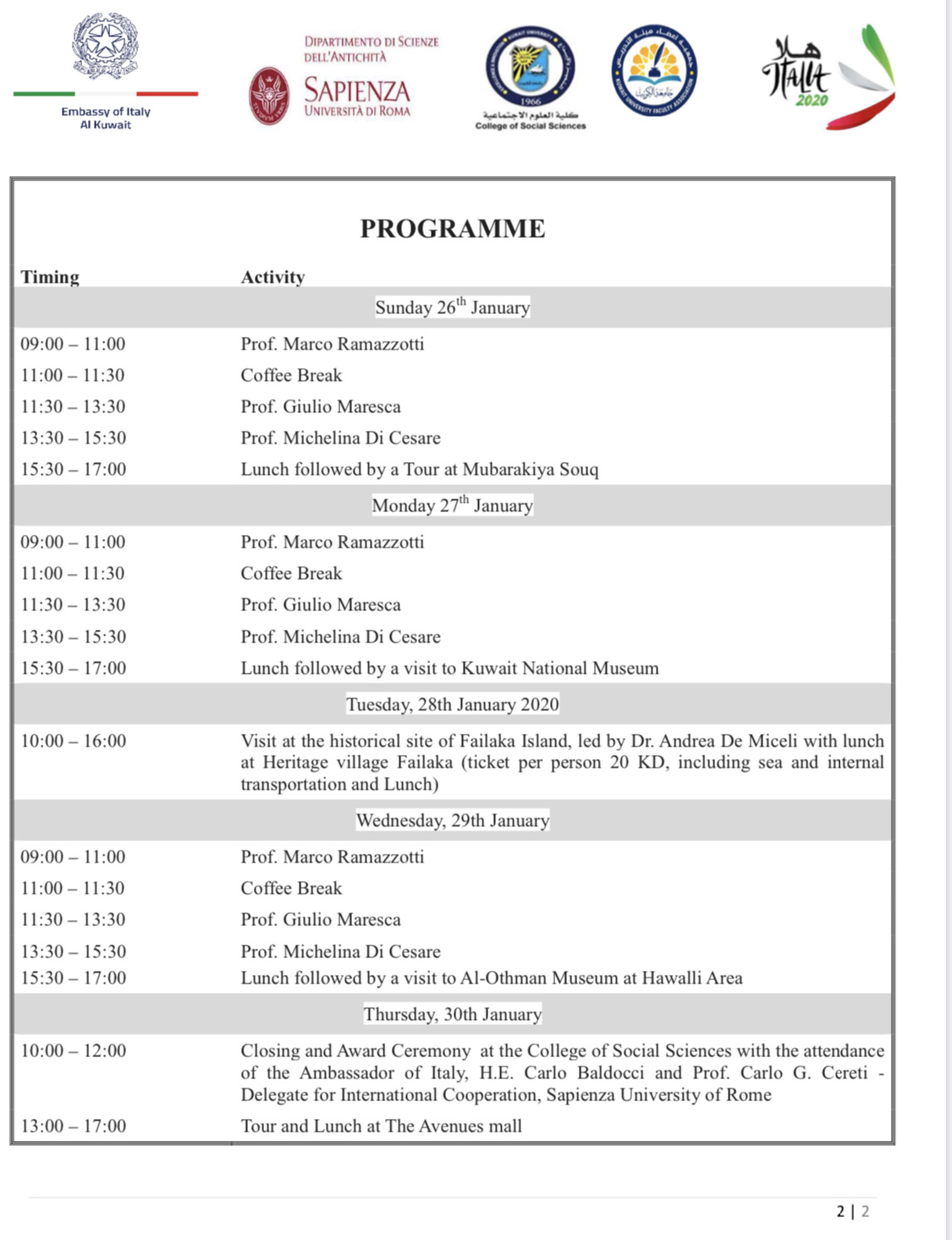
The 1st Italian - Kuwait Archaeological Winter School 2020


 ورشة المدرسة الإيطالية – الكويتية الشتوية الأولى لعلوم الآثار الأولى المقام في متحف ومختبر الآثار والأنثروبولوجيا
 في كلية العلوم الاجتماعية بجامعة الكويت، من 26 – 30 يناير 2020
ضمن أطار التعاون بين كلية العلوم الاجتماعية بجامعة الكويت وجامعة روما لا سابينزا
 تتركز الورشة حول التفاعل والتواصل الحضاري بين مناطق جنوب غرب اسيا وحوض البحر المتوسط.


“THE 1ST  ITALIAN - KUWAIT ARCHEOLOGICAL WINTER SCHOOL”
Focused on Kuwait, Western Asia and the Mediterranean: Interaction, Communication & Cultural exchange

In collaboration with

Università degli Studi di Roma “La Sapienza” – Department of Antiquities Science


and

The Archaeology and Anthropology Museum & Laboratory at the College of Social Sciences of Kuwait University


Press Conference 


اعلنت كلية العلوم الاجتماعية بجامعة الكويت، في مؤتمر صحافي أمس، عن أعمال المدرسة الإيطالية – الكويتية الشتوية لعلوم الآثار الأولى تحت عنوان “نظرة على الكويت وغرب آسيا وحوض البحر الأبيض المتوسط، والتفاعل والتواصل والتبادل الثقافي” بالتعاون مع متحف ومختبر الآثار والأنثروبولوجيا التابع لكلية العلوم الاجتماعية بجامعة الكويت وقسم علم الآثار بجامعة لاسابينزا (روما) وذلك بقاعة مجلس كلية العلوم الاجتماعية بالحرم الجامعي – الشويخ. واوضح عميد كلية العلوم الاجتماعية بجامعة الكويت أ.د.حمود القشعان أن الملتقى يستمر لمدة ثلاثة أيام تدريبية وذلك في الفترة من 26 إلى 30 الجاري، تعقبها زيارة ميدانية لجزيرة فيلكا للمختصين المشاركين في الملتقى، داعيا المهتمين للمشاركة في فعاليات الملتقى للاستفادة وإثراء فعاليات الملتقى والعملية.

من جانبه، ذكر مشرف مختبر الآثار والانثروبولوجيا د. حسن أشكناني أن مهرجان هلا ايطاليا 2020 هو عبارة عن سلسلة من الأنشطة وورش العمل حول العلاقات الكويتية الايطالية في الكويت.وقال إن هذه الاستضافة للمدرسة الشتوية ستكون على مدى خمسة أيام متضمنة ثلاث دورات من المحاضرات كل منها ست ساعات وزيارة ميدانية ليوم واحد للمشروع الكويتي الايطالي المشترك في جزيرة فيلكا.بدوره، قال السفير الايطالي لدى الكويت كارلو بالدوتشي في كلمة له ان المدرسة تهدف إلى استمرارية نشاطها في علوم الآثار، مشيرا إلى أنه يولي علوم الآثار اهتماما منذ استلامه لمنصبه.وأضاف بالدوتشي أن الطلبة المشاركين في الملتقى سيحصلون على شهادة متميزة من جامعة روما.


-----   الافتتاح 26 يناير 2020  ----


Opening Day 26 - 1 - 2020


At the beginning, the Dean of the College of Social Sciences, Professor Dr. Hammoud Al-Qasha’an, welcomed him in his speech to the scholars who incurred the trouble of traveling to present their knowledge and knowledge of archeology and civilizations, pointing out that the historical monuments in Kuwait prove that they were a crossing for many peoples and caravans throughout history and extends the history of Kuwait to More than 300 years old.


Al-Qasha’an said that the university in this cooperation implements the vision of His Highness the Emir, His Highness Sheikh Sabah Al-Ahmad Al-Jaber Al-Sabah, may God protect and preserve him for a new Kuwait 2035 in the development of the human element, expressing his pride in this valuable cooperation with the best international university in the field of archeology, which surpassed Cambridge University and Oxford University with five Scientists from this university will spend a whole week in Kuwait.


For his part, Professor at the Department of Archeology at the University of La Sapienza – Rome, Marco Ramazzotti, explained in his lecture the launch of the school’s works on archeology, natural background and geographical history of interaction between Arab entities in the cradle of civilization from the fifth to the third millennium BC, dealing with the Sumer civilization in Iraq and Danon in Kuwait and Magan in Oman.


Professor Ramatzotti stated that the lectures will address everything related to archeology, the natural background and the geographical history of the region, noting that the aim of these meetings is to get acquainted with the history of Arab civilizations.


He expressed his gratitude for this invitation, which sheds light on the depth of these cultures and the depth of Arab-European relations, especially with the presence of the Italian excavation mission in Failaka.


For his part, the supervisor of the Archeology and Anthropology Laboratory at Kuwait University, Dr. Hassan Ashkanani said that the Winter School of Archeology is the first cooperation between the university and the Italian embassy within the 2020 embassy festival entitled (Hala Italy).


Ashkanani reported that the Winter School of Archeology includes five specialists from archaeologists from La Sapienza University of Italy, which is one of the oldest universities in the world and is 700 years old, noting that the participating scholars are specialized in studying the effects of the Bronze Age and the first civilizations in Iraq, Iran, Kuwait, Bahrain, the Hellenistic period and the Islamic period.


And that the days of the forum include three training sessions, each of six hours and every two hours, specialized in a specific time period, followed by a field visit to Failaka Island, on the last day of school, to review the Kuwaiti-Italian joint project on the island.

Ashkanani stated that on the island of Failaka, there is currently an exploration mission from Italy within the Kuwaiti-Italian joint project of antiquities at a site called Al-Qurainiyyah. Its age ranges from 600 to 700 years and is the largest archaeological excavation of the site.

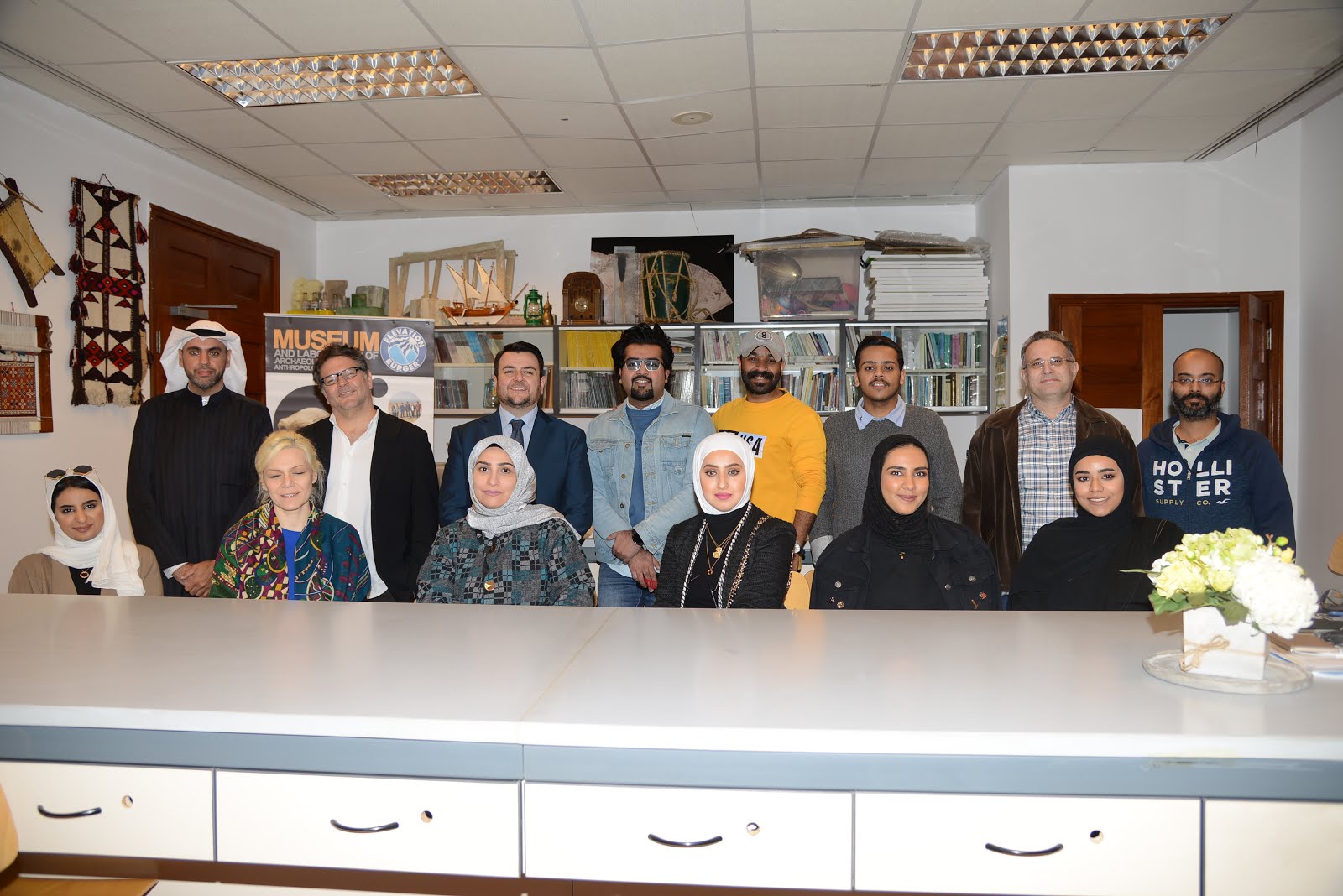
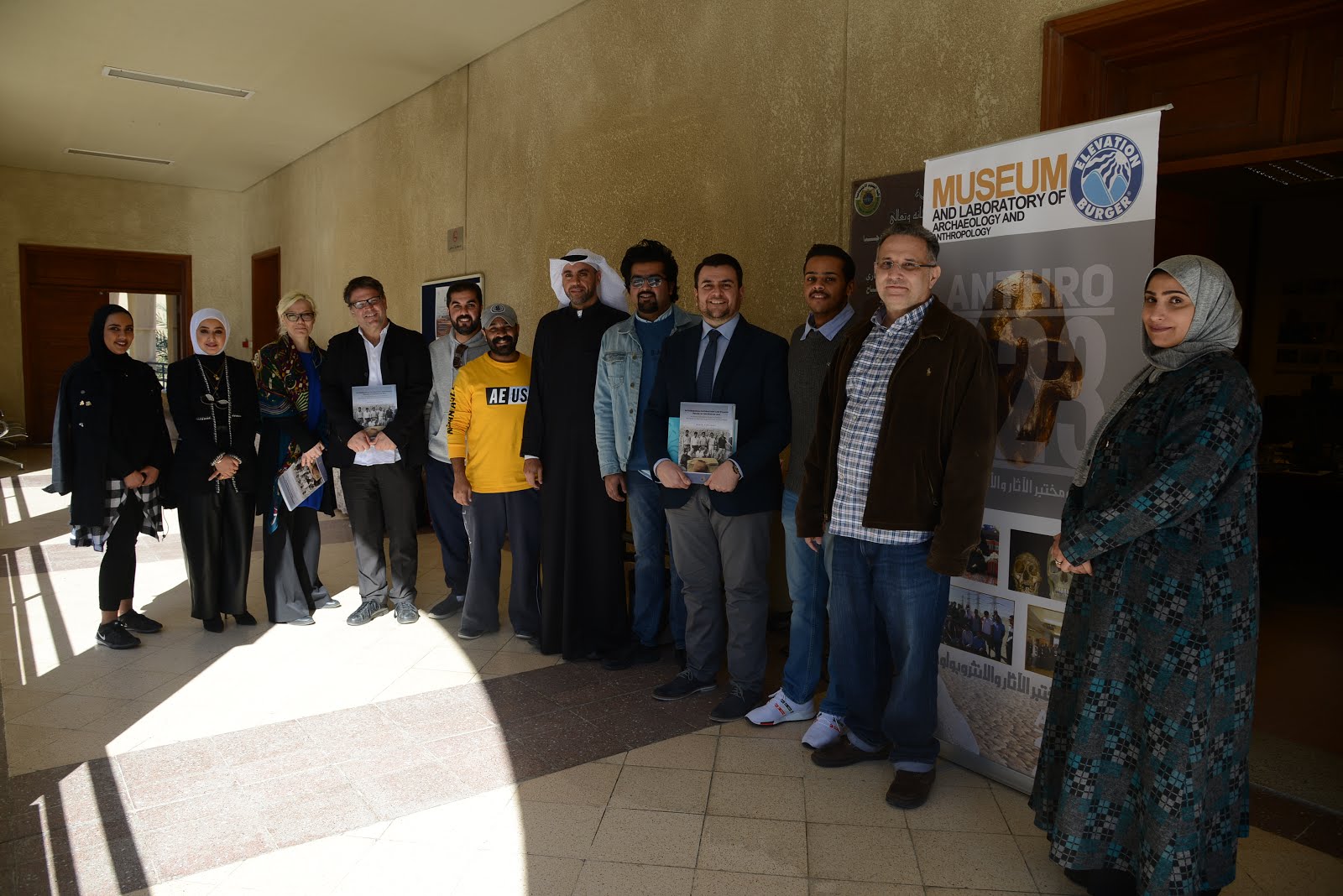
The Faculty of Social Sciences at Kuwait University represented by the Laboratory of Archeology and Anthropology held “the Italian-Kuwaiti Winter School of Archeology First Week, in cooperation with the University of La Sapienza – Rome” which came under the title “A Look at Kuwait, Western Asia and the Mediterranean Basin: Interaction, Communication and Cultural Exchange”, during January 26-30, in the Archeology and Anthropology Laboratory in the college building in Shuwaikh, in the presence of the dean of the college, Prof. Dr. Hammoud Al-Qashaan, a group of professors and researchers from outside and inside Kuwait, including Professor Marco Ramazzotti, Professor Giulio Maresca and Professor Michelina de Cesar.


Published By: Dalal Al-Najadi and Mohammed Al-Shammari

Media coverage


Photo Gallery


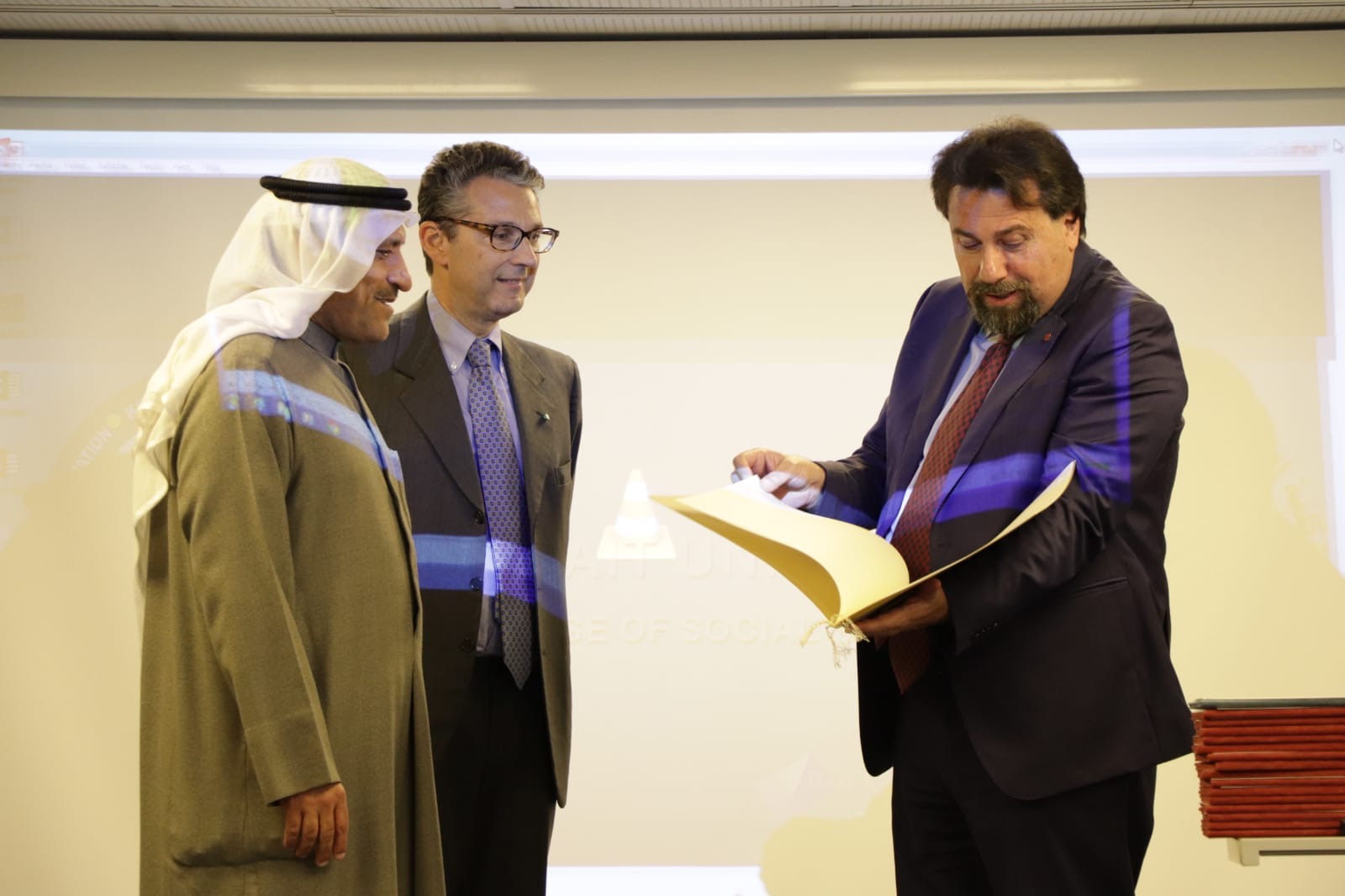
الحفل الختامي 
Ending Ceremony